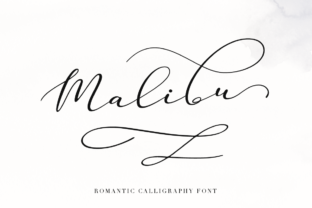
Dream Catcher: A Whimsical Font for Creative Workflows
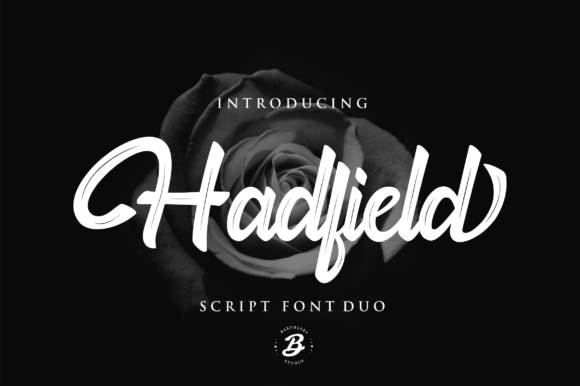
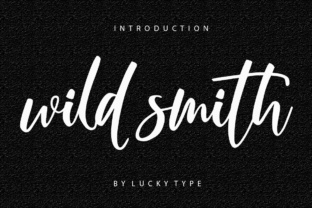
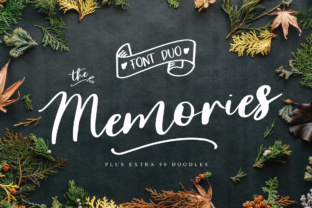
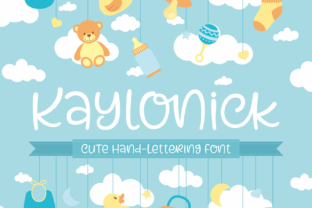
Dream Catcher is a unique font that blends whimsy with functionality, offering a hand-crafted aesthetic that can elevate any design project. This font duo consists of an uppercase version that stands alone for a bold, stylized look and a quasi-script lowercase that pairs seamlessly with the uppercase to create a more fluid, expressive typeface. Whether you're working on branding, editorial design, or personal projects, Dream Catcher provides a versatile tool for adding character and personality to your work.
Understanding Dream Catcher in the Design Process
Before diving into how Dream Catcher fits into specific workflows, it's important to understand its role as a design element. Fonts are not just about aesthetics; they influence readability, tone, and overall user experience. Dream Catcher is ideal for projects that require a touch of creativity without sacrificing clarity. Its hand-crafted nature makes it particularly well-suited for branding, logos, and visual identities that aim to feel authentic and approachable.
When considering where Dream Catcher fits in the broader design process, think about the stage of your project. During the conceptual phase, it can inspire ideas and help define a visual direction. In the execution phase, it becomes a key component of the final output. And even after a project is complete, it can serve as a signature style that reinforces brand identity over time.
Using Dream Catcher in Different Stages of a Project
Integrating Dream Catcher into your workflow depends on the stage of your project. For example, during the planning phase, you might use it to test different visual directions or to communicate ideas to stakeholders. The uppercase version can be used for headlines or titles, while the lowercase adds a soft, handwritten feel to supporting text.
During the execution phase, Dream Catcher can be applied to various elements such as website headers, social media posts, or printed materials. Its versatility allows it to adapt to different formats and sizes, making it a reliable choice across platforms. When combined with other design elements, it can add a cohesive, artistic touch that enhances the overall composition.
After a project is launched, Dream Catcher can continue to play a role in maintaining brand consistency. By using it consistently across all touchpoints, you reinforce your brand’s visual identity and create a memorable experience for your audience. This long-term use also helps in building recognition and trust over time.
Combining Dream Catcher with Other Tools and Methods
Dream Catcher works best when integrated with other design tools and methods. For instance, pairing it with a minimalist layout can highlight its whimsical nature, while combining it with bold colors or textures can create a more dynamic visual impact. Understanding how it interacts with other design elements is crucial for achieving the desired outcome.
When working with digital tools like Adobe Photoshop, Illustrator, or Figma, Dream Catcher can be easily imported and customized. These platforms allow for fine-tuning of spacing, kerning, and other typographic details, ensuring that the font performs optimally in different contexts. Additionally, using it alongside other fonts can create contrast and visual interest, making your designs more engaging.
In collaborative environments, Dream Catcher can serve as a common visual language among team members. It helps maintain consistency across projects and ensures that everyone is aligned on the brand’s aesthetic. This is especially useful in agencies or teams where multiple designers contribute to a single project.
Practical Implementation Tips
To get the most out of Dream Catcher, consider the following implementation tips:
- Test it in different sizes and contexts: Before finalizing its use, experiment with how it looks in various sizes and placements. This helps ensure that it remains legible and effective in all applications.
- Use it selectively: While Dream Catcher is visually appealing, it should not be overused. Apply it to key elements such as headings, logos, or callouts to avoid overwhelming the design.
- Pair it with complementary fonts: Choose a secondary font that balances the whimsy of Dream Catcher. A clean, sans-serif font often works well to provide contrast and improve readability.
- Ensure compatibility: Check that Dream Catcher is compatible with the platforms and devices your audience uses. This includes web browsers, mobile devices, and print materials.
- Document its usage: Create a style guide that outlines how Dream Catcher should be used across different projects. This helps maintain consistency and ensures that others can use it effectively.
Workflow Examples and Use Cases
Here are a few examples of how Dream Catcher can be incorporated into different workflows:
- Branding Projects: Use Dream Catcher for logo design, business cards, and packaging. Its hand-crafted look adds a personal touch that resonates with audiences looking for authenticity.
- Content Creation: Apply it to blog titles, social media graphics, or email newsletters. The uppercase version can draw attention, while the lowercase adds a friendly, approachable tone.
- Marketing Materials: Incorporate Dream Catcher into posters, flyers, or banners. Its unique style can help your marketing efforts stand out in a crowded space.
- Educational Resources: Use it in presentations, worksheets, or course materials. The playful nature of the font can make learning more engaging and enjoyable.
- Personal Projects: Experiment with Dream Catcher in journaling, scrapbooking, or DIY crafts. Its versatility makes it a great choice for creative expression.
Factors to Consider for Long-Term Use
When planning for long-term use of Dream Catcher, consider factors such as preparation, usability, and quality control. Proper preparation involves understanding the font’s characteristics and how it will perform in different scenarios. Usability refers to how easy it is to implement and maintain across projects.
Quality control is essential to ensure that Dream Catcher maintains its visual integrity over time. Regularly review how it appears in different formats and adjust as needed. Consistency is key to building a strong, recognizable brand presence.
Additionally, staying updated on font updates and compatibility changes can help prevent issues down the line. By taking these factors into account, you can ensure that Dream Catcher remains a valuable asset in your design toolkit for years to come.