Baby Seal: A Cute Handwritten Font with Seal Icons
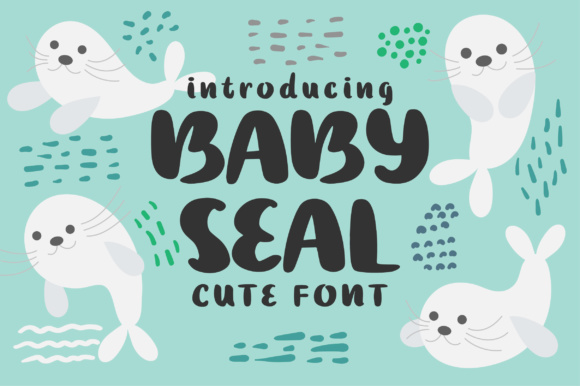
Baby Seal is a unique handwritten font that combines a playful aesthetic with functional design elements. Its cute and clear letters make it an appealing choice for designers looking to add a touch of whimsy to their projects. In addition to the font itself, Baby Seal includes seal icons as a bonus, offering a cohesive visual identity for various applications.
What Is Baby Seal?
Baby Seal is a typography solution designed for those who want to incorporate a soft, friendly look into their designs. The font features rounded edges and gentle curves that evoke a sense of approachability and charm. Each letter is crafted to maintain legibility while delivering a personal, hand-drawn feel. This makes it ideal for use in branding, marketing materials, and other creative projects where a warm tone is desired.
Why Consider Baby Seal?
Designers may be drawn to Baby Seal for several reasons. First, its handwritten style can help create a more authentic and personalized feel in digital content. This is especially useful for brands targeting younger audiences or those seeking to convey a sense of care and creativity. The inclusion of seal icons adds another layer of versatility, allowing users to incorporate visual elements that reinforce the font's theme.
Additionally, Baby Seal's clarity ensures that it remains readable even at smaller sizes, making it suitable for a wide range of applications. Whether used in logos, social media graphics, or packaging, the font maintains its appeal without sacrificing functionality.
Benefits of Using Baby Seal
One of the primary benefits of Baby Seal is its ability to enhance the visual appeal of a design without overwhelming the viewer. The font’s softness can help create a more inviting atmosphere, which is particularly beneficial for businesses in industries such as education, childcare, or wellness. Its clean structure also allows it to pair well with other fonts, giving designers flexibility in their layout choices.
The seal icons included with Baby Seal provide a consistent visual element that can be used across different platforms. This helps maintain brand cohesion and reinforces the overall message of the design. For example, a children's book publisher might use the font and icons to create a unified look that resonates with its target audience.
Tradeoffs and Considerations
While Baby Seal offers many advantages, it may not be the best fit for every project. Its playful style could be perceived as too informal for certain professional contexts, such as legal documents or corporate presentations. Designers should consider the tone and purpose of their work before deciding to use this font.
Another consideration is the availability of similar alternatives. There are numerous other handwritten fonts on the market that may offer comparable aesthetics with different stylistic nuances. It’s important to evaluate these options based on specific needs, such as readability, scalability, and compatibility with existing design systems.
Situations Where Baby Seal Excels
Baby Seal is particularly well-suited for projects that benefit from a friendly and approachable visual language. This includes children’s products, educational materials, and lifestyle brands aiming to connect emotionally with their audience. Its use in social media content, such as Instagram posts or Facebook banners, can also help build a more engaging online presence.
For designers working on small-scale projects or personal endeavors, Baby Seal provides a cost-effective way to achieve a polished, customized look. Its ease of use and accessibility make it a practical choice for those who may not have extensive design experience but still want to produce high-quality visuals.
When Alternatives May Be Better
In some cases, alternatives to Baby Seal may be more appropriate. For instance, if a project requires a more formal or modern appearance, a sans-serif or serif font might be a better option. Similarly, if the goal is to create a bold or eye-catching design, a more distinctive typeface could be more effective.
Designers should also consider the technical aspects of font usage. Some fonts may have limited character sets or licensing restrictions that could impact their usability. It’s essential to review these details before committing to a particular typeface.
Practical Decision-Making Insights
When evaluating Baby Seal, designers should ask themselves whether its aesthetic aligns with the goals of their project. Questions to consider include: Does the font match the brand’s voice? Will it be readable in the intended context? Are there any potential conflicts with other design elements?
Testing the font in real-world scenarios can also provide valuable insights. Creating sample designs or mockups can help determine how well Baby Seal performs in different formats and sizes. This process allows for a more informed decision and reduces the risk of unexpected issues later on.
Ultimately, Baby Seal offers a compelling option for those seeking a cute, versatile, and expressive font. Its combination of style and functionality makes it a strong choice for a variety of design needs, provided it fits the overall vision of the project. By carefully considering its strengths and limitations, designers can make an informed decision about whether Baby Seal is the right fit for their work.